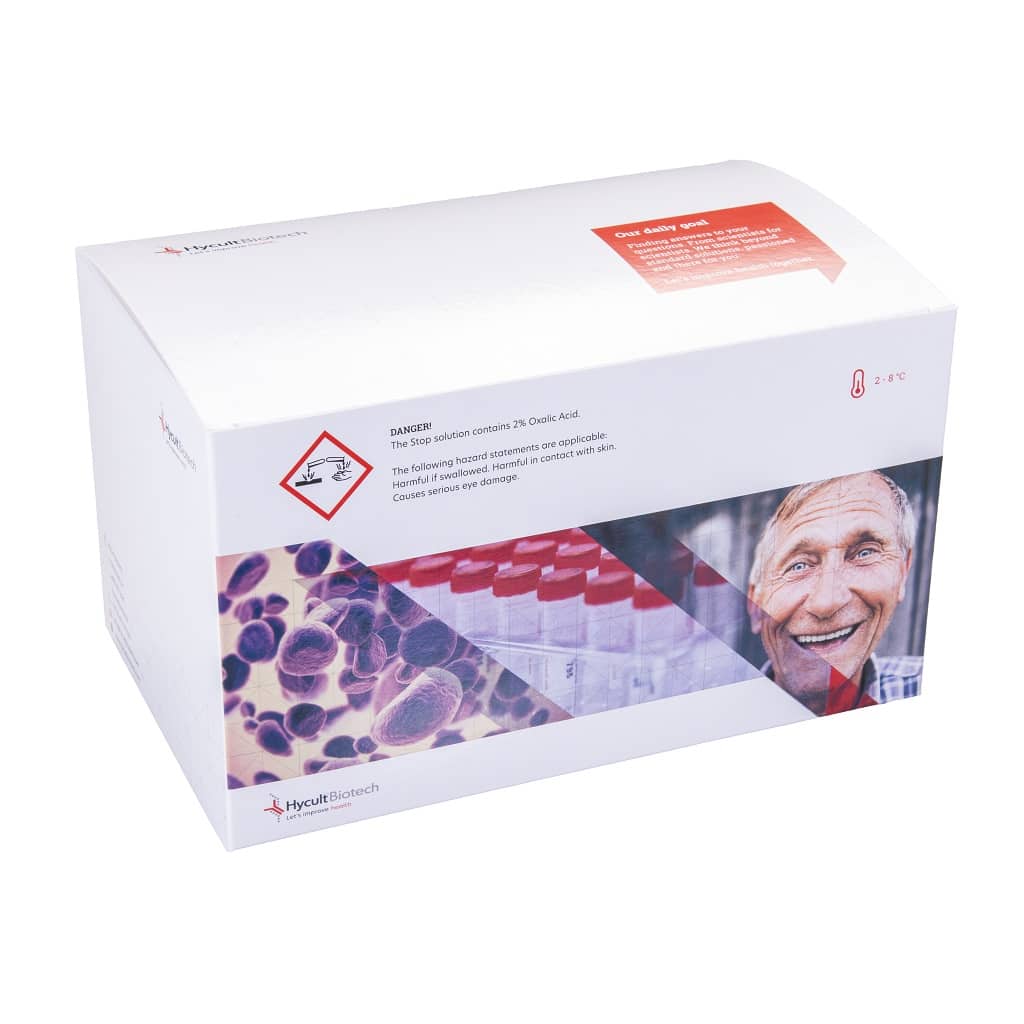
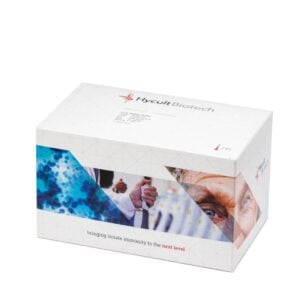
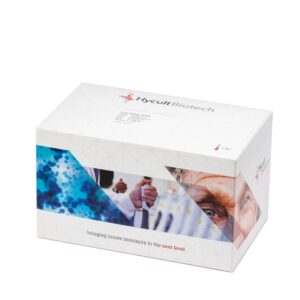
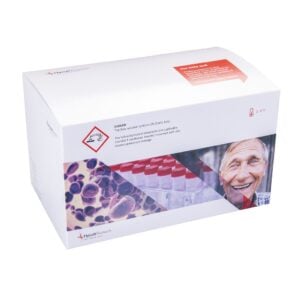
AP C3 convertase autoantibody, Human, ELISA kit
The alternative pathway (AP) C3 convertase autoantibody kit is intended as an in vitro prescreening tool for the qualitative determination of AP C3 convertase autoantibodies in heat-inactivated serum or plasma. The results may support the identification of samples containing AP C3 convertase autoantibodies and help guide further clinical evaluation and confirmatory testing.
Read more€770.00 €1,270.00Price range: €770.00 through €1,270.00
The alternative pathway (AP) C3 convertase autoantibody ELISA kit is an immunoassay for the in vitro detection of IgG autoantibodies reactive with the AP C3 convertase C3bBb and, when properdin is added, the properdin-stabilized C3bBbP complex in heat-inactivated human serum or plasma.
Complement autoantibodies can target complement components or regulators and may or may not affect their function. AP C3 convertase autoantibodies may therefore be non-functional, whereas others can stabilize the convertase, prolong its half-life, and promote sustained alternative pathway activation. These functional or pathogenic autoantibodies are commonly referred to as C3 convertase nephritic factors (C3NeF). Sustained AP activation can contribute to disease. C3NeF has been reported in several complement-mediated disorders, most prominently C3 glomerulopathy (C3G), including dense deposit disease and C3 glomerulonephritis, but also in atypical hemolytic uremic syndrome (aHUS) and related conditions characterized by dysregulated alternative pathway activation.
The AP C3 convertase autoantibody ELISA kit detects IgG autoantibodies based solely on their binding to the C3 convertase. It detects both non-functional and pathogenic autoantibodies and does not distinguish between these two subsets. The assay is therefore not a functional assay and does not assess convertase stabilization or prolonged complement activity. As a prescreening tool, the assay can support the identification of patients who may have C3 convertase-reactive autoantibodies, including potentially functional C3NeF autoantibodies, and who may benefit from further clinical evaluation and confirmatory functional testing.

 Powered by Bioz
You may also like…
-
View product €770.00
-
View product €617.00
-
View product €786.00 €1,271.00Price range: €786.00 through €1,271.00
-
View product €929.00 €1,500.00Price range: €929.00 through €1,500.00
-
View product €770.00
You may be interested in…
-
View product €929.00 €1,500.00Price range: €929.00 through €1,500.00
-
View product €139.00 €9,220.00Price range: €139.00 through €9,220.00